

Harnessing Natural Healing Through the Art of Pressure Points
- Tarik Hrar
- Mar 30
- 3 min read

Natural healing methods have gained attention as people seek alternatives to conventional medicine. One such method is the use of pressure points, a practice rooted in ancient traditions and supported by modern research. Pressure points are specific spots on the body where applying pressure can stimulate healing, relieve pain, and improve overall well-being. This post explores how pressure points work, their benefits, and practical ways to use them for natural healing.
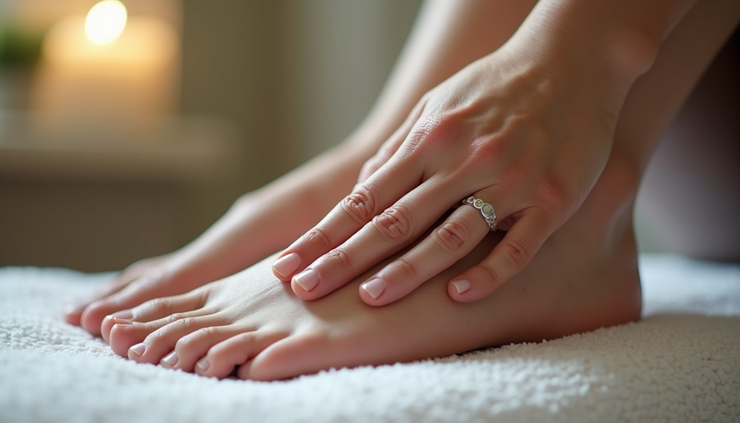
Understanding Pressure Points and Their Role in Healing
Pressure points are areas on the body where nerves, muscles, and connective tissues converge. Stimulating these points can influence the nervous system and promote the flow of energy, often referred to as "qi" or "chi" in traditional Chinese medicine. This stimulation can trigger the release of endorphins, the body's natural painkillers, and improve blood circulation.
The concept of pressure points is central to practices like acupressure, acupuncture, and reflexology. Each pressure point corresponds to specific organs or body functions. For example, pressing a point on the hand might help relieve headaches, while a point on the foot could ease digestive issues.
Benefits of Using Pressure Points for Natural Healing
Using pressure points offers several advantages:
Pain relief: Pressure point therapy can reduce headaches, muscle tension, and joint pain without medication.
Stress reduction: Stimulating certain points calms the nervous system and lowers stress hormones.
Improved circulation: Pressure helps increase blood flow, supporting tissue repair and detoxification.
Enhanced energy flow: Balancing energy pathways can boost vitality and reduce fatigue.
Non-invasive and accessible: Anyone can learn basic techniques to support their health at home.
Scientific studies support some of these benefits. For instance, research published in the Journal of Pain found that acupressure reduced chronic lower back pain in participants. Another study in Evidence-Based Complementary and Alternative Medicine showed that pressure point stimulation helped reduce anxiety and improve sleep quality.
Key Pressure Points to Know and How to Use Them
Here are some commonly used pressure points with practical tips:
LI4 (Hegu): Located between the thumb and index finger. Applying firm pressure here can relieve headaches, toothaches, and stress. Use circular motions for 1-2 minutes.
PC6 (Neiguan): Found on the inner forearm, about three finger-widths from the wrist crease. Pressing this point helps with nausea, anxiety, and motion sickness.
LV3 (Taichong): On the top of the foot, between the big toe and second toe. Stimulating this point supports liver function and eases menstrual cramps.
SP6 (Sanyinjiao): About four finger-widths above the inner ankle bone. This point is useful for digestive issues, insomnia, and hormonal balance.
ST36 (Zusanli): Located four finger-widths below the kneecap, just outside the shinbone. It boosts energy, strengthens immunity, and aids digestion.
To apply pressure effectively:
Use your thumb or index finger.
Press firmly but comfortably.
Hold for 1-3 minutes while breathing deeply.
Repeat 2-3 times daily or as needed.
Integrating Pressure Point Therapy into Daily Life
Incorporating pressure point techniques into your routine can be simple and rewarding. Here are some ideas:
Morning energy boost: Stimulate ST36 to start your day feeling refreshed.
Stress relief breaks: Use LI4 and PC6 during work or study breaks to calm your mind.
Before bedtime: Press SP6 to promote relaxation and better sleep.
During travel: Apply PC6 to prevent motion sickness on planes or cars.
Pain management: Use targeted points like LV3 or LI4 when experiencing discomfort.
Combining pressure point therapy with other natural practices such as deep breathing, gentle stretching, or herbal teas can enhance results. Always listen to your body and avoid pressing too hard or on injured areas.
Safety and When to Seek Professional Help
Pressure point therapy is generally safe for most people. However, some precautions include:
Avoid pressing on open wounds, bruises, or inflamed areas.
Pregnant individuals should consult a healthcare provider before stimulating certain points, especially SP6.
People with serious medical conditions should discuss pressure point therapy with their doctor.
If pain or discomfort worsens, stop the therapy and seek professional advice.
Professional acupuncturists and massage therapists can provide more advanced treatments and personalized guidance.


Comments